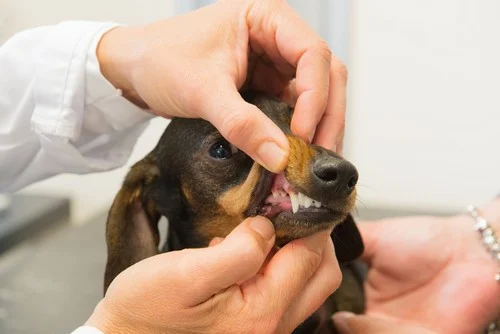
A Healthy Mouth Protects Your Pet’s Whole Body
Dental disease is the most common health problem we see in dogs and cats. About 80 percent of dogs and 70 percent of cats show signs of it by age three. Bacteria from infected gums can enter the bloodstream and affect the heart, liver and kidneys. At East Brook Animal Clinic in Waverly, TN , we provide dental exams, professional cleanings and treatment that keep your pet comfortable, help prevent painful infections and support a longer, healthier life.
request an appointmentWhy Pet Dental Care Matters
Pets are very good at hiding mouth pain. Many dogs and cats keep eating normally even with cracked teeth, loose teeth or infected gums. Dental disease starts when plaque builds up on the teeth and hardens into tartar. Tartar traps bacteria under the gumline, which leads to gingivitis and then periodontal disease. Over time, this can destroy the tissue and bone that hold the teeth in place.
Regular dental care catches these problems early, while treatment is simpler and your pet has not yet lost teeth or developed infections that spread beyond the mouth.
Signs Your Pet May Need a Dental Visit
Call us if you notice any of the following in your dog or cat:
- Bad breath that does not go away
- Yellow or brown buildup on the teeth
- Red, swollen or bleeding gums
- Loose, broken or missing teeth
- Drooling, pawing at the mouth or dropping food
- Chewing on one side or refusing hard food or treats
- Swelling under the eye or along the jaw
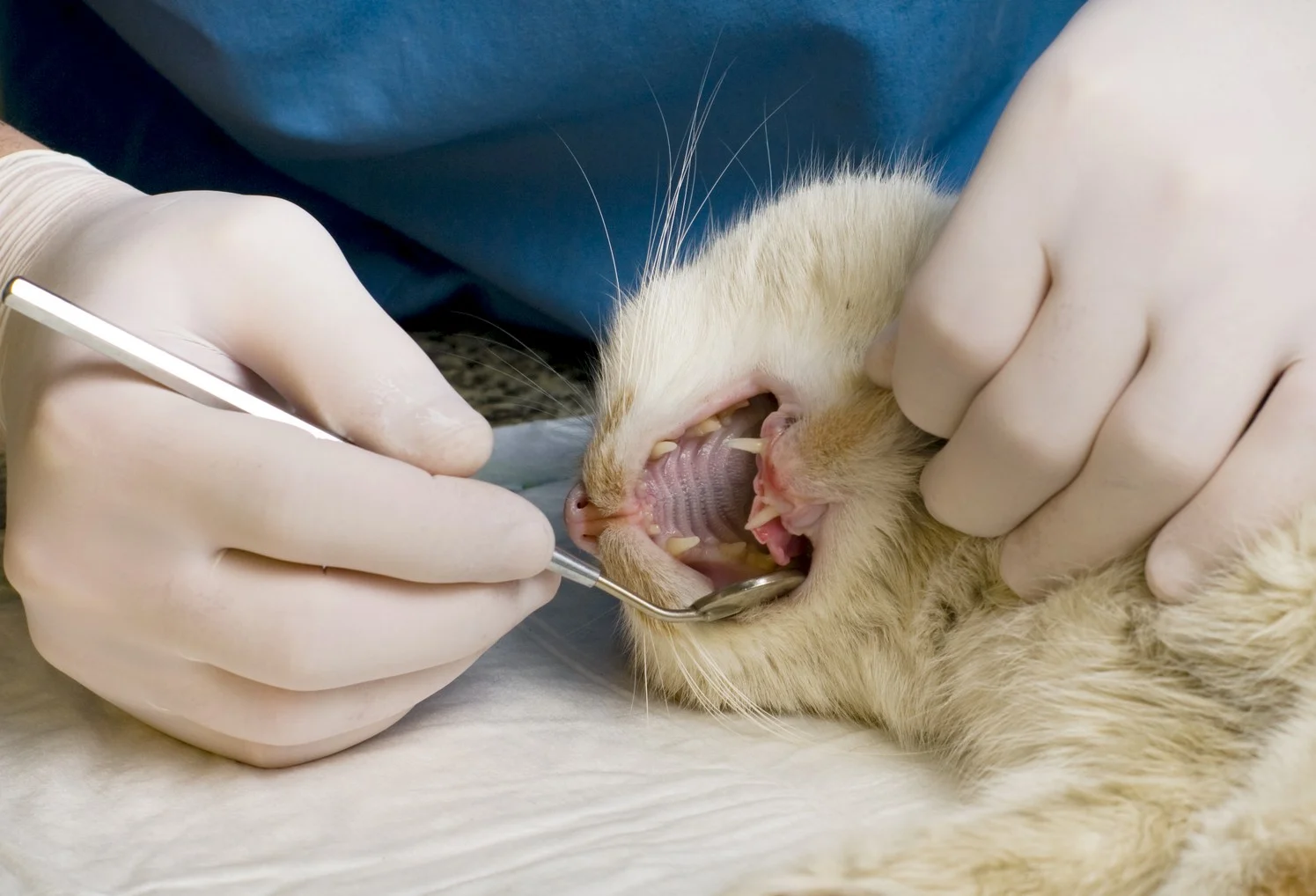
Our Dental Services
Every dental visit begins with a thorough oral exam during your pet’s wellness exam. When a cleaning or treatment is needed, our team can provide:
- Pre-anesthetic bloodwork to make sure anesthesia is safe for your pet
- Professional scaling to remove plaque and tartar above and below the gumline
- Polishing to smooth tooth surfaces and slow new plaque buildup
- A full tooth-by-tooth exam and charting of any problems
- Imaging with our digital x-rays to look at roots and bone below the gumline
- Extraction of diseased, broken or badly damaged teeth
- Pain relief and take-home care instructions
What to Expect During a Dental Cleaning
A thorough dental cleaning requires general anesthesia. It allows us to clean below the gumline, where most dental disease hides, and to examine every tooth safely without causing your pet stress or pain. Before the procedure, we review your pet’s health history and run bloodwork. During the cleaning, your pet is monitored closely by our trained team from start to finish.
Most pets go home the same day. We will explain what we found, review any treatment we performed and give you clear instructions for feeding and medication while your pet recovers.
Keeping Teeth Healthy at Home
Professional cleanings work best when paired with good care at home. Daily brushing with a pet-safe toothpaste is the gold standard. Dental chews, water additives and special dental diets can also help slow plaque buildup. Our team is happy to show you how to brush your pet’s teeth and recommend products that fit your pet’s needs and your routine.
Pet Dental Care FAQs
How often does my pet need a dental cleaning?
Most dogs and cats benefit from a professional cleaning about once a year, but some pets need them more or less often. Small breed dogs and pets with a history of dental disease often need more frequent care. We will recommend a schedule based on your pet’s oral exam.
Why does my pet need anesthesia for a dental cleaning?
Anesthesia lets us clean below the gumline, take x-rays and examine every tooth safely. Pets will not hold still for this kind of work while awake, and cleaning only the visible surfaces leaves the disease underneath untreated.
Is anesthesia safe for my pet?
We take several steps to reduce risk, including a physical exam and pre-anesthetic bloodwork before the procedure. Your pet is monitored closely throughout the cleaning and during recovery.
Is bad breath normal for dogs and cats?
No. Persistent bad breath is one of the most common signs of dental disease. If your pet’s breath has a strong odor, schedule a dental exam so we can find the cause.
Will my pet be able to eat after a tooth extraction?
Yes. Most pets eat comfortably after extractions, often better than before because the painful tooth is gone. We may recommend soft food for a short time while the mouth heals.
Can older pets have dental cleanings?
Age alone is not a reason to avoid dental care. Senior pets often have the most dental disease and gain the most from treatment. We assess each pet’s overall health before recommending anesthesia.
What can I do at home to protect my pet’s teeth?
Daily brushing with pet-safe toothpaste is the most effective home care. Dental chews, water additives and dental diets can also help. Ask our team which options are best for your pet.
Give Your Pet a Healthier, Pain-Free Smile
If it has been a while since your dog or cat had a dental exam, or you have noticed bad breath or changes in eating, now is the time to schedule a visit. Call East Brook Animal Clinic at (931)-296-9900 or request an appointment online.