Helping Pets Walk, Run and Play Comfortably Again
A limp, a sudden yelp, or a pet who won’t jump onto the couch can all point to a problem with the bones, joints or ligaments. At East Brook Animal Clinic in Waverly, TN , we evaluate orthopedic problems in dogs and cats, recommend surgery when it’s the right choice, and stay in close contact with you from the first exam through recovery.
request an appointmentOrthopedic Problems We See in Dogs and Cats
Orthopedic conditions affect the parts of the body that support and move your pet. Some happen suddenly, such as a fall, a car accident or a hard twist during play. Others develop over months or years because of genetics, body weight or age. Common reasons pets need orthopedic care include:
- Broken bones and fractures from trauma
- Torn knee ligaments, often called cruciate ligament injuries
- Kneecaps that slip out of place (luxating patella)
- Hip and elbow problems such as dysplasia
- Joint dislocations
- Arthritis and other degenerative joint disease
Orthopedic problems can be hard on both pets and their families. A pet in pain may become less active, gain weight, or change its behavior, and the decisions around treatment can feel overwhelming. Our team takes the time to explain what is happening, what your options are, and what to expect at every step.
How We Evaluate Your Pet
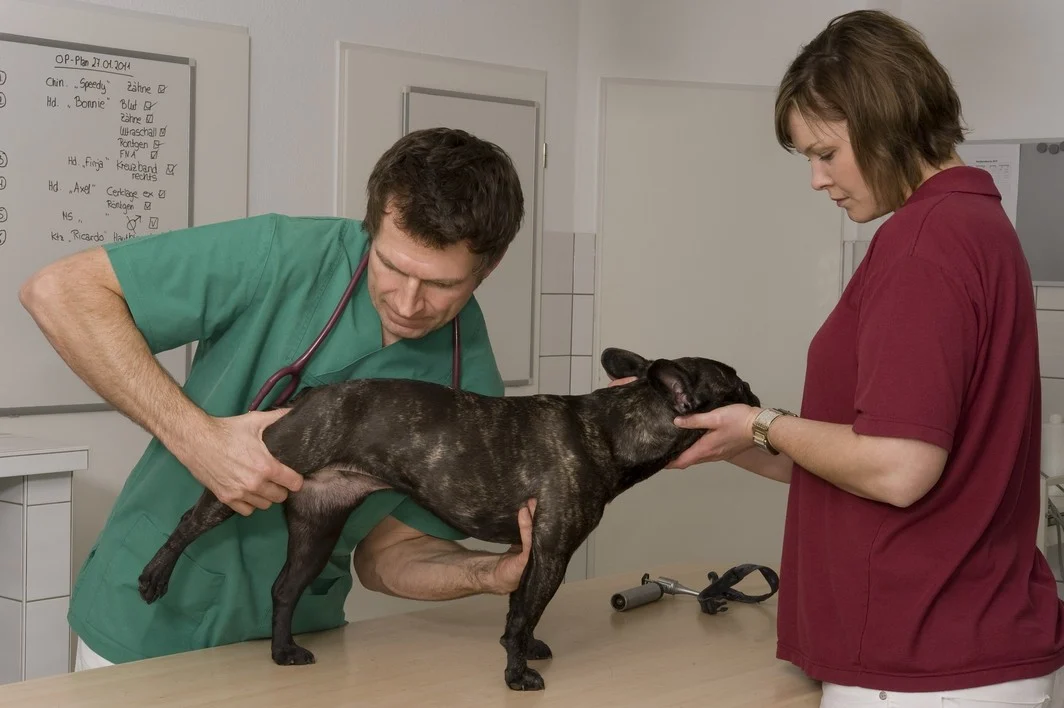
Every orthopedic case starts with a thorough physical and orthopedic exam. Your veterinarian will watch how your pet walks, gently feel the limbs and joints, and check range of motion and stability. To see what is happening beneath the surface, we often use digital X-rays to look at bones and joints in detail. Bloodwork may also be recommended before surgery to make sure your pet is healthy enough for anesthesia.
Once we have a clear diagnosis, we’ll walk you through the options. Some pets do well with conservative care such as rest, medication, weight management and rehabilitation. Others need surgery to stabilize a joint or repair a bone. If your pet’s case calls for a specialized procedure or a board-certified surgeon, we’ll tell you honestly and help coordinate the referral.
Safe Surgery and Anesthesia
When surgery is the best path forward, your pet’s safety comes first. Before the procedure, we review your pet’s health history and pre-anesthetic testing. During surgery, your pet is monitored closely throughout anesthesia. Afterward, we provide pain control and clear take-home instructions so you know exactly how to care for your pet during healing.
Recovery and Long-Term Comfort
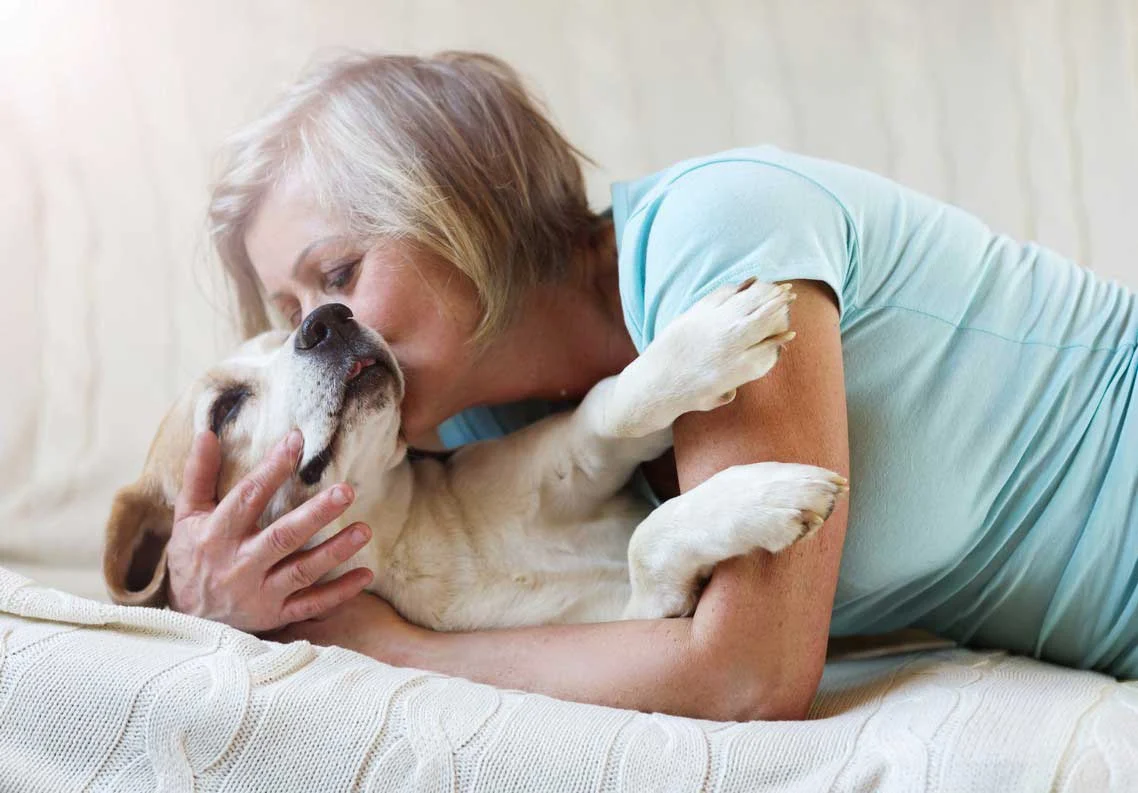
Recovery from orthopedic surgery takes time and teamwork. Most pets need restricted activity for several weeks, followed by a gradual return to normal exercise. We schedule recheck visits and follow-up X-rays as needed to make sure healing is on track. To keep your pet comfortable along the way, we offer pain management plans tailored to your pet, and we can talk with you about therapies such as laser therapy that may support healing. Keeping your pet at a healthy weight also takes pressure off joints for years to come.
Orthopedic Surgery FAQs
What are signs my pet may have an orthopedic problem?
Limping, holding up a leg, stiffness after rest, trouble getting up, reluctance to jump or use stairs, swelling around a joint, and licking at a leg can all be signs. Some pets simply become less active. If you notice any of these, schedule an exam so we can find the cause.
Does every orthopedic injury need surgery?
No. Many orthopedic issues can be managed with rest, medication, weight control and rehabilitation. Surgery is recommended when a bone or joint needs to be repaired or stabilized to heal properly or to give your pet the best long-term comfort and function.
How do you diagnose orthopedic problems?
We start with a hands-on physical and orthopedic exam, watching how your pet moves and checking each joint. Digital X-rays help us see bones and joints clearly, and bloodwork may be recommended before any procedure that requires anesthesia.
Will my pet be in pain after surgery?
Some discomfort is normal, but we work hard to keep it under control. Your pet will receive pain medication during and after surgery, and we send you home with a pain management plan and instructions for keeping your pet comfortable during recovery.
How long is recovery from orthopedic surgery?
It depends on the procedure and your pet, but many pets need several weeks of restricted activity followed by a gradual return to exercise. Full recovery can take a few months. We’ll schedule rechecks to monitor healing and adjust your pet’s plan as needed.
Do you refer pets to an orthopedic specialist?
When a case calls for a specialized procedure or a board-certified veterinary surgeon, we will let you know and help coordinate the referral. Our goal is for your pet to get the right care for its specific condition.
Can I help prevent orthopedic problems in my pet?
Keeping your pet at a healthy weight is one of the best ways to protect its joints. Regular exercise, routine wellness exams and early attention to limping or stiffness also help catch problems before they become more serious.
Get Your Pet Moving Comfortably Again
If your pet is limping, stiff or favoring a leg, don’t wait for it to get worse. Call East Brook Animal Clinic at (931)-296-9900 or contact us with your questions, and schedule an exam with our team in Waverly, TN .