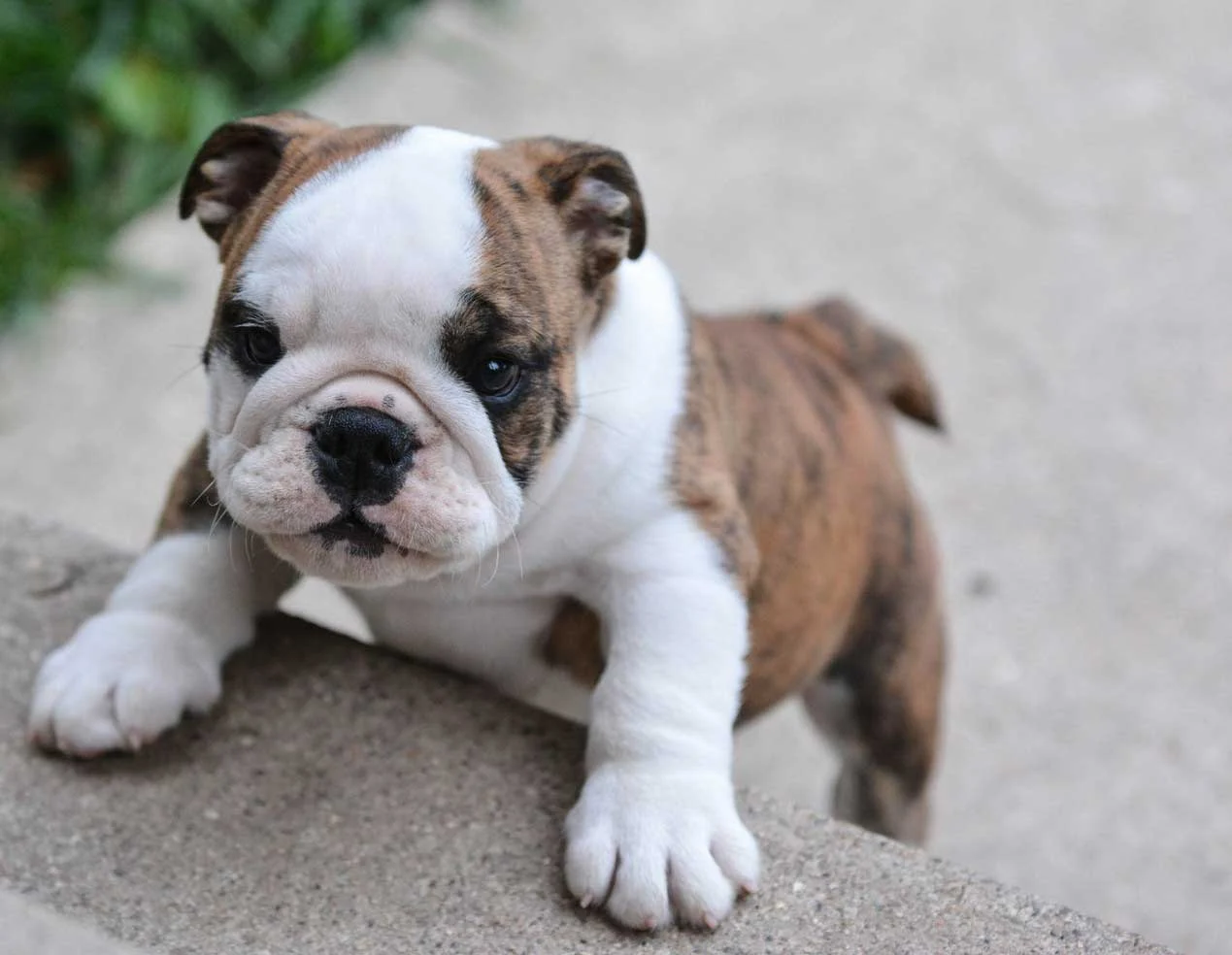
Safe Deliveries for Mothers and Their Newborns
When a natural birth isn’t safe, a well-timed cesarean section protects both the mother and her litter. At East Brook Animal Clinic in Waverly, TN , our surgical team performs planned and urgent C-sections for dogs and cats, with extensive experience in Bulldogs, French Bulldogs, Pugs and other breeds that often can’t whelp on their own.
request an appointmentWhy Some Breeds Need a C-Section
English Bulldogs, French Bulldogs, Pugs, Boston Terriers and other brachycephalic (short-nosed) breeds have large heads and broad shoulders compared to the size of the mother’s birth canal. Puppies can become stuck during delivery, putting both the mother and her litter at risk. Over 80% of Bulldog litters are delivered by C-section, and many breeders plan the surgery ahead of time for these breeds.
A C-section may also be needed for any dog or cat when:
- A puppy or kitten is too large or poorly positioned to pass through the birth canal
- Labor stalls and contractions become weak or stop (uterine inertia)
- The mother has a narrow pelvis or a previous pelvic injury
- There is a very large or a single-pup litter
- The mother has had a C-section before or has a health condition that makes labor risky
Planned C-Sections
For breeds that routinely need surgery, a scheduled C-section is the safest choice. Timing matters: performing surgery too early can mean underdeveloped newborns, while waiting too long can lead to complications. We use progesterone testing and breeding dates to pinpoint when the litter is ready, and pre-surgical X-rays help us count and size the puppies so our team is fully prepared for every newborn.
Emergency C-Sections
Difficult labor (dystocia) can turn serious quickly. Call us right away at (931)-296-9900 if your pet:
- Has strong, steady contractions for 30 minutes or more without delivering a puppy or kitten
- Rests for more than two to four hours between babies while more are still expected
- Passes green or black discharge before the first newborn arrives
- Seems weak, very distressed or in severe pain
- Has gone past her expected due date without signs of labor
Learn more about how we handle urgent situations on our emergency and urgent care page.
What to Expect on Surgery Day
Before surgery, our veterinarians examine the mother, run pre-anesthetic bloodwork and review imaging. We choose anesthetic protocols that are gentle on the mother and keep the newborns as alert as possible once they’re delivered. As each puppy or kitten is removed, a dedicated team member clears its airway, stimulates breathing, keeps it warm and checks for issues such as cleft palate.
Once the mother is awake and stable, we reunite her with her litter and help the newborns begin nursing. Most mothers go home the same day with pain medication and clear aftercare instructions.
Caring for Mom and Litter at Home
After a C-section, keep the mother in a quiet, warm area with her newborns and supervise closely for the first few days, especially as she recovers from anesthesia. Watch her incision for redness, swelling or discharge, make sure every puppy or kitten is nursing and gaining weight, and keep her from jumping or rough play while she heals. We’ll schedule a recheck to look at her incision and examine the litter, and we’re happy to see the newborns again when it’s time for their first puppy and kitten care visits.
As part of our full breeding and reproduction services, we support breeders and pet owners from before breeding through delivery and beyond.
C-Section FAQs
How do I know if my dog will need a C-section?
Brachycephalic breeds like English Bulldogs, French Bulldogs and Pugs usually need a planned C-section because of their puppies’ large heads. For other breeds, we look at the mother’s size, pelvic shape, litter size and delivery history. An exam and X-rays late in pregnancy help us decide whether a planned surgery is the safest option.
When should a planned C-section be scheduled?
Timing is based on ovulation dates from progesterone testing, breeding dates and signs that labor is near, such as a drop in body temperature. Scheduling at the right time helps ensure the newborns are fully developed and ready to breathe and nurse on their own.
What are the signs my pet needs an emergency C-section?
Call us right away if your pet has strong contractions for 30 minutes without delivering, goes more than two to four hours between babies, passes green or black discharge before the first newborn, or seems weak or in severe pain. These can be signs of difficult labor that needs prompt care.
Is a C-section safe for the mother and her litter?
Like any surgery, a C-section carries some risk, but a well-timed procedure with careful anesthesia and monitoring is often safer than a difficult natural birth. Our team uses protocols designed to protect the mother while keeping the newborns as alert as possible.
Can the mother nurse her puppies or kittens after surgery?
Yes. Most mothers can begin nursing soon after they wake up from anesthesia. The medications we send home are chosen with nursing in mind, and we’ll show you how to make sure every newborn is feeding well.
How long does recovery take after a C-section?
Most mothers go home the same day and recover over about two weeks. Keep her calm, check her incision daily and limit jumping and rough play. We’ll schedule a recheck to make sure she is healing well.
Do you perform C-sections on cats?
Yes. While cats need C-sections less often than dogs, we perform them when a queen has difficult labor, a kitten is stuck or a health issue makes natural delivery unsafe.
Plan Ahead for a Safe Delivery
Whether you’re expecting a Bulldog litter or worried about a difficult labor, our team is here to help. Call (931)-296-9900 to plan your pet’s C-section, or reach out right away if she’s struggling to deliver.