Give Your Pet a Permanent Way Back Home
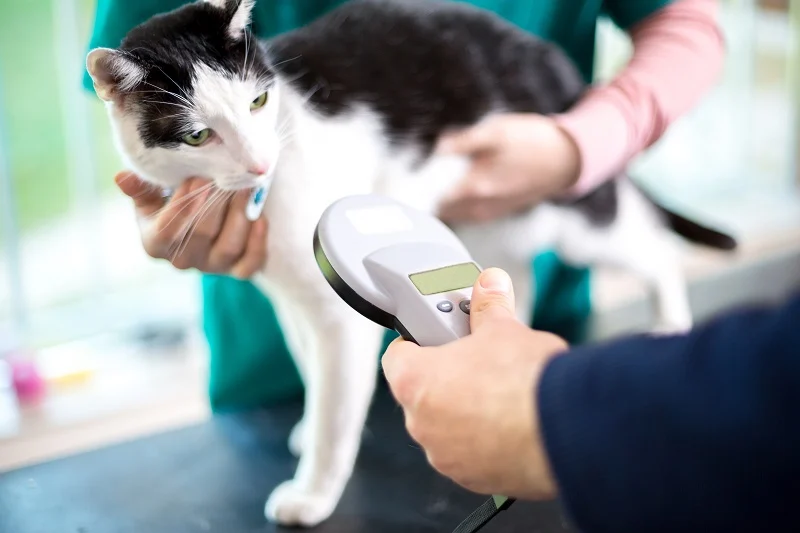
At East Brook Animal Clinic, we offer microchipping for dogs and cats in Waverly, TN . Collars break and tags fall off, but a microchip stays with your pet for life. This quick, safe procedure gives shelters and veterinary offices a reliable way to identify your pet and contact you if your pet is ever lost.
request an appointmentWhy Microchipping Matters
Thousands of pets go missing every year. A dog slips through a gap in the fence, a cat darts out an open door, or a storm sends a frightened pet running. Not knowing where your companion is can feel helpless. Many lost pets are found and taken to shelters, but without identification it can be very hard to match them with their families.
A microchip solves that problem. Each chip carries a unique identification number that can be read with a handheld scanner. Animal shelters, rescue groups and veterinary clinics routinely scan stray pets. When that number is linked to your current contact information in a pet recovery registry, your pet has a much better chance of making it home.
How the Microchip Works
A microchip is about the size of a grain of rice. It is placed just under the skin, usually between the shoulder blades, with a needle similar to the one used for vaccines. The chip has no battery and no moving parts. It only activates when a scanner passes over it, so it does not track your pet’s location like a GPS device. Instead, it works as a permanent ID that cannot be lost or removed.
What to Expect at Your Pet’s Visit
Microchipping takes only a few moments and can be done during a regular appointment. Most pets react about the same way they do to a routine vaccine. No anesthesia is required, although many owners choose to have the chip placed while their pet is already asleep for a procedure such as spay and neuter surgery. After the chip is placed, we scan it to confirm it reads correctly and give you the information you need to register it.
Keeping Your Pet’s Information Current
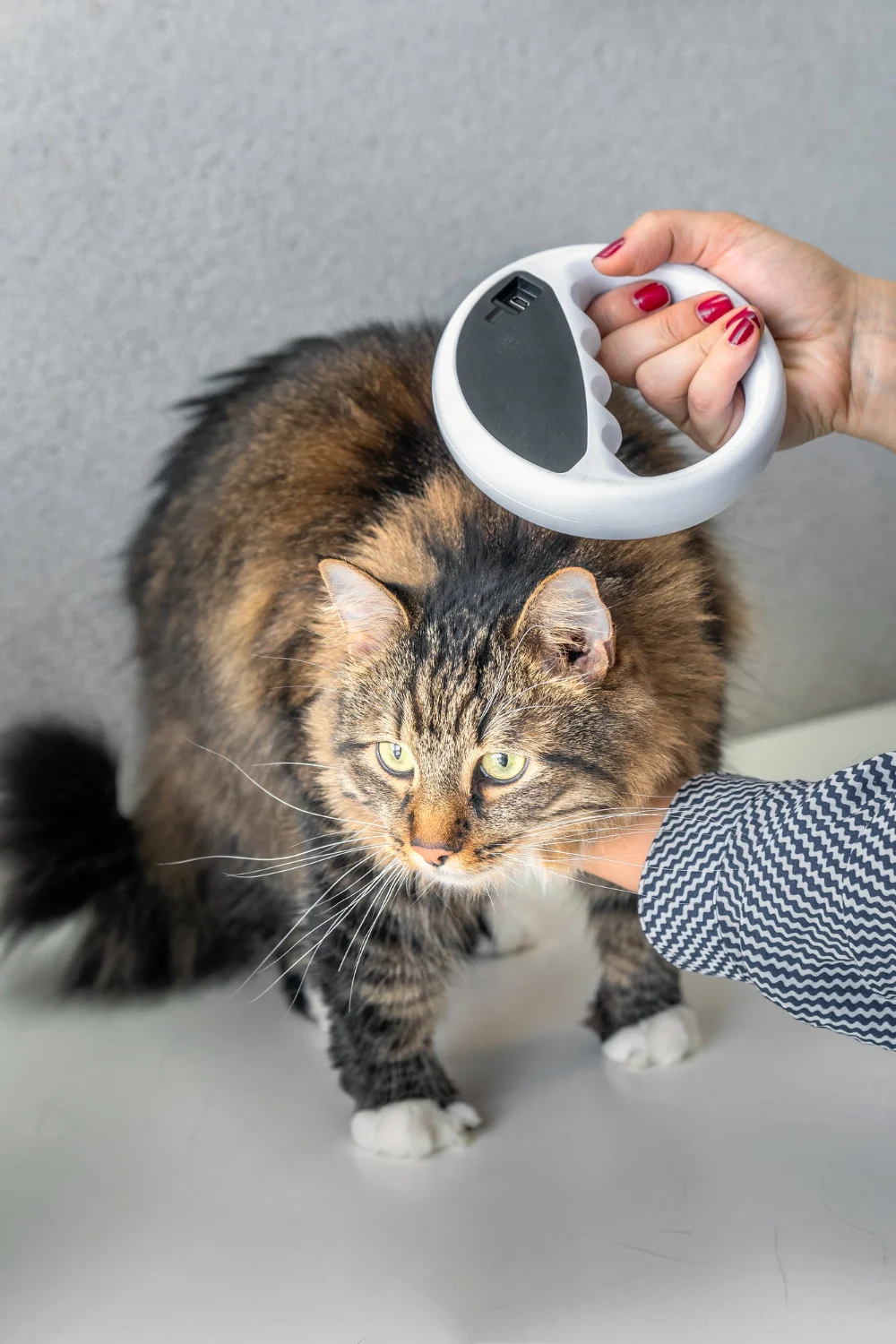
A microchip is only as helpful as the contact information connected to it. Be sure to register the chip after your visit, and update the registry any time you move or change your phone number. We can scan your pet’s chip during any appointment to make sure it is still in place and working.
A Smart Step for Every Age
Puppies and kittens can be microchipped early, which makes it a natural part of puppy and kitten care. Adult and senior pets benefit just as much, especially indoor cats and dogs that have never been outside on their own. Pets that are not used to the outdoors often panic and hide if they get out, which makes reliable ID even more important.
Microchipping Questions From Pet Owners
Does microchipping hurt my pet?
Microchipping feels similar to a routine vaccination. Most pets have a brief moment of discomfort and then go right back to normal. No anesthesia is needed, though the chip can be placed during another procedure if your pet is already sedated.
Is a microchip a GPS tracker?
No. A microchip does not have a battery and cannot track your pet’s location. It holds a unique ID number that a scanner can read, which lets a shelter or veterinary clinic look up your contact information in a pet recovery registry.
How long does a microchip last?
Microchips are designed to last for your pet’s lifetime. Because they have no battery or moving parts, they generally do not need to be replaced. We can scan your pet at any visit to confirm the chip is still readable.
At what age can my puppy or kitten be microchipped?
Young puppies and kittens can be microchipped, and many owners choose to do it at an early wellness visit or at the time of spay or neuter surgery. Our team can recommend the best timing for your pet.
My cat stays indoors. Does it still need a microchip?
Yes. Indoor cats can slip out an open door or window, and because they are unfamiliar with the outdoors, they often hide and get disoriented. A microchip gives them a permanent ID if they end up at a shelter or clinic.
What do I need to do after my pet is microchipped?
Register the chip with your current name, phone number and address. Any time you move or change your phone number, update the registry so you can be reached quickly if your pet is found.
Can a microchip replace my pet’s collar and tags?
A microchip works best alongside a collar and ID tag. Tags let neighbors contact you right away, while the microchip serves as a permanent backup if the collar comes off.
Protect Your Pet With a Microchip Today
A few moments today can make all the difference if your pet ever goes missing. Call East Brook Animal Clinic at (931)-296-9900 or request an appointment online to have your dog or cat microchipped.